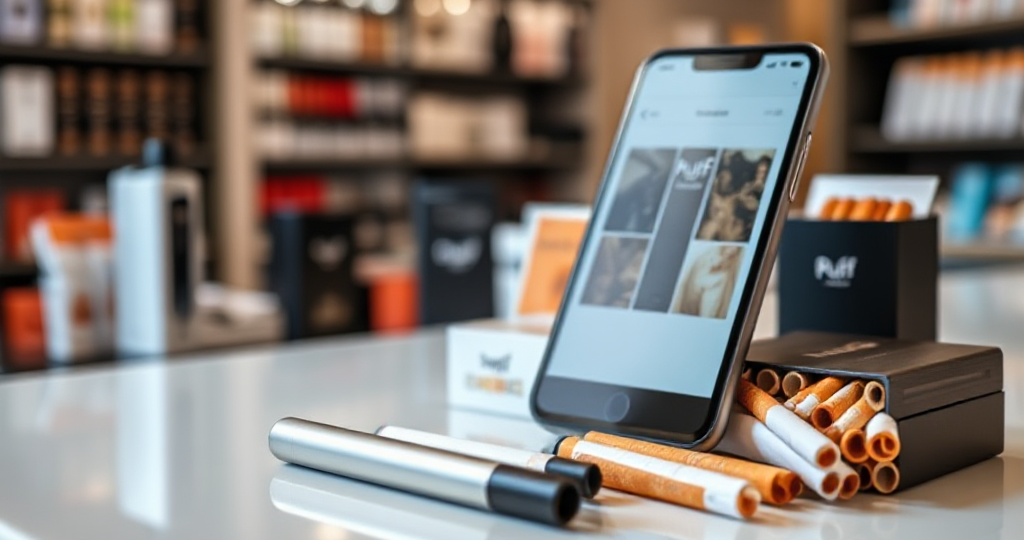

Online HNB Shops vs Physical Retail: A Practical Buyer Comparison
Does walking into a shop still beat ordering your heat-not-burn sticks online? For adult smokers in Spain who have switched to heated tobacco, that question comes up more often than you might expect. Physical tobacco retail has decades of habit behind it, while online HNB shops have spent recent years solving the exact problems that used to make ordering sticks by post feel risky. This comparison does not assume one channel wins. Instead, it weighs both on the criteria that actually matter to a regular buyer: product range, price, availability, delivery, payment security and convenience. If you already know you want the flexibility of an online catalogue, you can start with a trusted tobacco sticks espana shop and compare it against your local estanco as you read.
Product Range and Brand Choice
Range is where the two channels diverge fastest. A physical tobacco shop in Spain works with limited shelf space and a licence that ties it to specific product categories. That means an estanco may carry one or two HNB device brands and a handful of stick variants, often the ones that sell fastest in that neighbourhood. If your preferred flavour or strength is a slow mover locally, it may simply not be stocked.
An online HNB shop operates under different constraints. A warehouse does not need to display every item on a counter, so a specialist retailer can list a full range of devices and consumable sticks across multiple brands, including variants that rarely appear in small physical outlets. For buyers who have settled on one specific stick and do not want to re-learn a new one, that depth matters more than almost anything else. The trade-off is that you cannot hold the device before buying, so product descriptions, compatibility notes and photos have to do the work that a shop assistant would do in person.
Physical retail wins on tactile evaluation. Online retail wins on breadth. If you enjoy experimenting with new brands, the online catalogue is usually the only realistic way to do it without travelling between several towns.
Price, Promotions and Total Cost
Price comparison is rarely as simple as the sticker on the pack. Physical tobacco retail in Spain is tightly regulated, and prices for tobacco products are largely fixed, which means you will not find dramatic discounts between one estanco and the next. What varies is availability of multipacks and whether your local shop runs any loyalty scheme at all. Many do not.
Online HNB shops compete on a different axis. Because they are not limited to a single high-street location, they can build pricing around bulk orders, subscription-style repeat purchases and periodic promotions on devices and accessories. Delivery cost is the variable to watch. A cheap stick price with an expensive shipping fee can end up costing more than a local purchase, so the honest comparison is total landed cost: product price plus delivery, divided by the number of sticks you actually receive.
There is also a time cost. A trip to a physical shop takes twenty minutes and a detour. An online order takes a few minutes at a keyboard but adds a waiting period. Neither is free, and which one feels cheaper depends on how you value your own time.
Availability, Stock Reliability and Delivery
Stock reliability is the quiet frustration of physical buying. You find a stick you like, buy it for months, and then one week the shelf is empty because of a supply interruption. Staff often cannot tell you when it will return. For a daily user, that is a genuine disruption.
Online shops face their own stock problems, but they handle them differently. A well-run store shows availability on the product page, offers an alternative variant when something is out of stock, and can ship from a central warehouse rather than depending on one local delivery. Fast delivery to European addresses is now a standard expectation rather than a premium feature, and reputable HNB retailers build their reputation on dispatch speed and tracking.
The physical channel still wins on immediacy. If you need sticks today, no courier can beat a shop that is open now. That single advantage is real and should not be dismissed. But it only applies when the shop actually has your product in stock, which brings the comparison back to reliability rather than speed.
Payment Security and Buyer Protection
Payment is the criterion where online buying has improved the most in recent years. Established HNB e-commerce sites use encrypted checkout, recognised payment providers and clear order confirmations. That gives you a documented record of what you bought, when, and for how much, which is useful if a parcel goes missing or a device arrives faulty.
Physical retail is simpler in one sense: you pay, you take the product, the transaction ends. There is no delivery risk because there is no delivery. But buyer protection is thinner in practice. Once you leave the counter, resolving a problem depends on the shop’s goodwill and your ability to return during opening hours. Online purchases made through mainstream payment methods often carry clearer dispute options and return windows.
For adult buyers, the practical rule is to treat payment security as a signal of retailer quality. A shop that offers secure, familiar payment options and publishes clear delivery and returns information is behaving like a legitimate business. A shop that only accepts unusual payment methods and hides its contact details is not.
Convenience, Discretion and Routine
Convenience is personal. Some buyers like the ritual of a short walk and a quick conversation. Others want to reorder the same sticks in under two minutes without leaving the house. Online ordering fits neatly into a repeat-purchase routine: save your address, save your payment method, reorder the same item, and let delivery handle the rest.
Discretion also differs. A physical purchase is visible to whoever is in the shop. An online order arrives in plain packaging and does not require you to explain your choice to anyone. For buyers who prefer to keep their heated tobacco use private, that is a meaningful advantage.
The counter-argument is that online buying adds a dependency on delivery networks. Holidays, bad weather and local courier issues can delay an order. Experienced online buyers plan around this by ordering before they run out rather than after, which turns delivery from a risk into a scheduled routine.
Which Channel Fits Which Buyer
Neither channel is universally better, and pretending otherwise would be unhelpful. The honest position is that the two serve slightly different needs, and many adult buyers end up using both.
Physical retail suits the buyer who needs sticks immediately, who wants to see the device before committing, or who simply prefers paying in person and walking out with the product. It is also the fallback when an online order is delayed.
Online HNB shops suit the buyer who wants a specific brand and variant, who buys in larger quantities, who values a wider catalogue, or who wants the transaction documented and delivered. For anyone who has already chosen their device and their stick, the online channel removes most of the friction that physical buying reintroduces every week.
A sensible approach is to treat online ordering as your default for planned purchases and physical retail as your emergency option. That combination gives you the range and price advantages of e-commerce without losing the immediacy of the high street.
Frequently Asked Questions
Is it legal to buy heated tobacco sticks online in Spain?
Rules around distance selling of tobacco products vary and are enforced differently across Europe. Before ordering, check the retailer’s stated delivery terms for Spain and confirm that the shop operates within the applicable regulations. A reputable HNB retailer will publish clear information about where it ships and under what conditions.
When does physical retail still win?
Physical retail wins when you need sticks today, when you want to inspect a device in person before buying, when you prefer an anonymous cash transaction, or when an online order has been delayed and you cannot wait. In those situations, a local shop is genuinely the better choice.
How do I judge whether an online HNB shop is trustworthy?
Look for secure and familiar payment options, a published delivery policy, working contact details, clear product descriptions, and consistent customer feedback. If a shop cannot explain how and when it ships, or only accepts unusual payment methods, treat that as a warning sign.
Can I mix both channels without problems?
Yes, and many buyers do. Ordering your regular sticks online while keeping a local shop as a backup is a practical routine. It protects you from stock shortages and delivery delays while still giving you access to a wider catalogue and better bulk pricing.